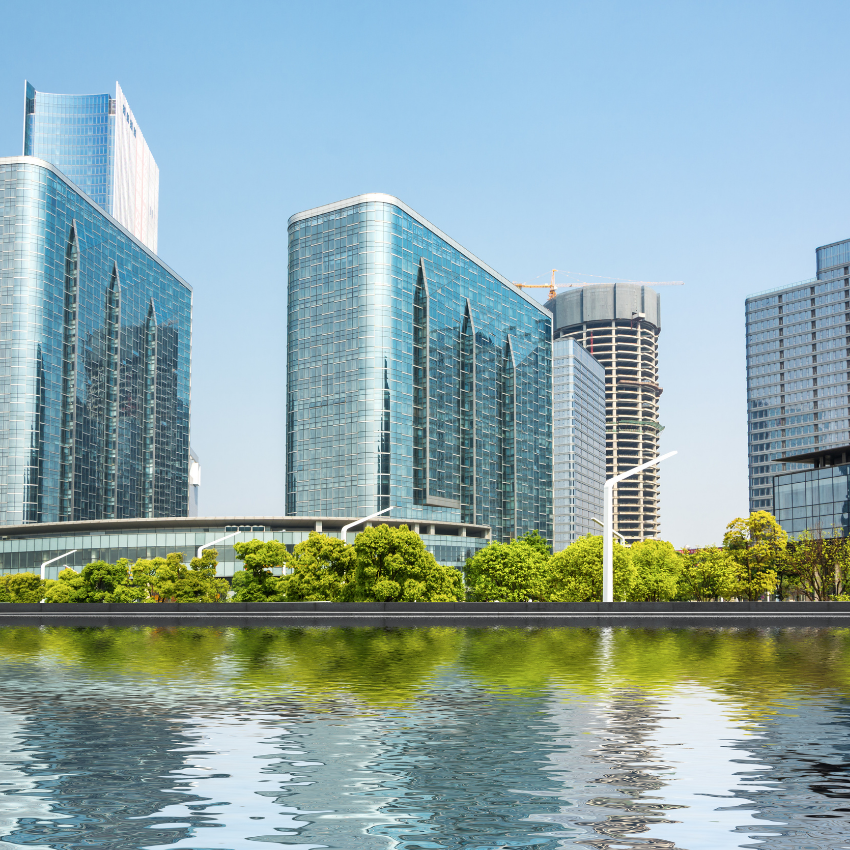
A Paradigm Shift in Development
The global real estate sector is undergoing a profound transformation. For decades, commercial and residential development was driven primarily by location and square footage. Today, however, environmental sustainability has shifted from being a niche market preference to a fundamental strategic imperative. As urbanization accelerates, integrating green technologies into real estate development is no longer optional—it is a critical driver of long-term asset value, regulatory compliance, and tenant satisfaction. Future-focused investment groups are now leading the charge by embedding eco-conscious engineering into the very blueprint of their projects.
The Economic Imperative of Sustainability
Historically, sustainable building practices were viewed as an added expense. Modern data, however, completely upends this narrative. Green buildings consistently demonstrate higher return on investment (ROI) over their lifecycles. This is achieved through significantly reduced operational costs, particularly in energy and water consumption. Furthermore, premium corporate tenants and high-net-worth residents are increasingly demanding spaces that align with their Environmental, Social, and Governance (ESG) goals. Properties equipped with verifiable green certifications command higher lease rates, experience lower vacancy periods, and yield superior resale values.
Key Green Technologies Reshaping the Skyline
To achieve these sustainable outcomes, developers are deploying a sophisticated array of advanced technologies:
Smart Energy Grids & IoT: The integration of the Internet of Things (IoT) allows buildings to function as living ecosystems. Smart sensors monitor occupancy, ambient temperature, and natural light levels, automatically adjusting HVAC and lighting systems in real-time to eliminate energy waste.
Advanced Sustainable Materials: Modern construction relies increasingly on materials with low embodied carbon. This includes recycled steel, engineered mass timber, and self-healing concrete. These materials not only reduce the environmental impact of the construction phase but also enhance the structural longevity of the asset.
Renewable Energy Integration: High-end developments are moving toward net-zero energy consumption by integrating building-applied photovoltaics (BAPV), solar glass, and localized geothermal heating and cooling systems.
Regulatory Compliance and ESG Integration
Governments and international regulatory bodies are rapidly tightening environmental standards for new construction. By adopting green technologies proactively, developers mitigate the risk of future regulatory penalties and costly retrofits. Furthermore, robust ESG reporting is now a baseline requirement for institutional investors. Real estate portfolios that demonstrably integrate sustainable practices attract premium investment capital, ensuring financial resilience in a shifting global market.
Conclusion
The integration of green technologies in real estate is a testament to the industry’s evolution. It represents a synergy between environmental stewardship and financial prudence. As we look to the future, the most successful real estate developments will be those that not only define the physical skyline but also actively protect the ecosystem that surrounds them.